
How to Plan an Office Holiday Tour to Varanasi , Planning an office holiday tour to Varanasi can seem overwhelming at first. Between coordinating schedules, managing budgets, and ensuring everyone has a memorable experience, there’s a lot to consider. But here’s the good news: with systematic planning and the right approach, you can organize a trip that strengthens team bonds while exploring one of India’s most fascinating cities. Let’s walk through exactly how to make it happen.
Why Varanasi is Ideal for Office Holiday Tours
How to Plan an Office Holiday Tour to Varanasi, offers something rare in corporate tourism—a destination that appeals to diverse interests. History enthusiasts love the ancient temples and ghats. Spiritual seekers find meaning in the rituals and ceremonies. Photographers capture stunning images at every turn. Food lovers discover incredible street food. This diversity ensures that every team member finds something memorable, making it an inclusive choice for office groups with varied tastes.
Setting Clear Objectives for Your Trip
Before diving into logistics, establish what you want this trip to accomplish.
Team Building vs. Pure Leisure
How to Plan an Office Holiday Tour to Varanasi , Are you organizing this tour primarily for team bonding, or is it a reward for hard work? Team-building tours might include structured activities and group challenges, while leisure-focused trips allow more free time for personal exploration. Understanding your primary goal shapes every subsequent decision about itinerary, activities, and accommodations.
Budget Planning and Approval
How to Plan an Office Holiday Tour to Varanasi , Determine your budget early and get management approval. Consider all costs: transportation, accommodation, meals, entrance fees, guides, activities, and a contingency fund for unexpected expenses. Most Varanasi office tours range from ₹6,000 to ₹15,000 per person for a 2-3 day trip, depending on choices made. Present a detailed budget breakdown to stakeholders for faster approval.
Choosing the Right Time to Visit Varanasi
Timing dramatically impacts your experience in this ancient city.
Weather Considerations
October through March offers the most comfortable weather for exploring Varanasi’s outdoor attractions. Temperatures remain pleasant, making early morning boat rides and evening ghat walks enjoyable. Summer months (April-June) bring intense heat that can exhaust even enthusiastic tourists. Monsoon season (July-September) creates humidity and occasional disruptions, though some find the rain-washed ghats beautiful.
Festival Seasons and Crowd Management
How to Plan an Office Holiday Tour to Varanasi , Varanasi during Diwali or Dev Deepawali (November) offers spectacular celebrations with thousands of diyas illuminating the ghats. However, these periods also bring massive crowds, premium prices, and booking challenges. If your group enjoys festive energy and doesn’t mind crowds, plan months in advance. For calmer experiences with easier logistics, avoid major festival dates.
Step-by-Step Planning Process
Systematic planning prevents last-minute chaos and ensures nothing falls through the cracks.
Forming a Planning Committee
Don’t shoulder all responsibilities alone. Form a small committee of 3-5 enthusiastic colleagues to divide tasks: one handles budget and bookings, another manages communication, someone researches activities, and another coordinates transportation. Shared responsibility reduces stress and brings diverse perspectives to planning.
Surveying Employee Preferences
Create a simple survey asking about travel dates, budget comfort levels, accommodation preferences (sharing rooms vs. single occupancy), dietary restrictions, and must-see attractions. This input ensures your planning reflects actual employee desires rather than assumptions. It also increases participation when people feel their voices shaped the trip.
Selecting a Reliable Tour Operator
Unless your team has extensive travel planning experience, partnering with a reputable tour operator simplifies logistics enormously. Research operators specializing in corporate groups to Varanasi. Check online reviews, ask for references from other companies, verify their licenses, and compare detailed quotations from at least three operators. Look for operators who demonstrate flexibility and understanding of corporate needs.
Creating the Perfect Itinerary
A well-balanced itinerary keeps everyone engaged without causing exhaustion.
Must-Visit Attractions in Varanasi
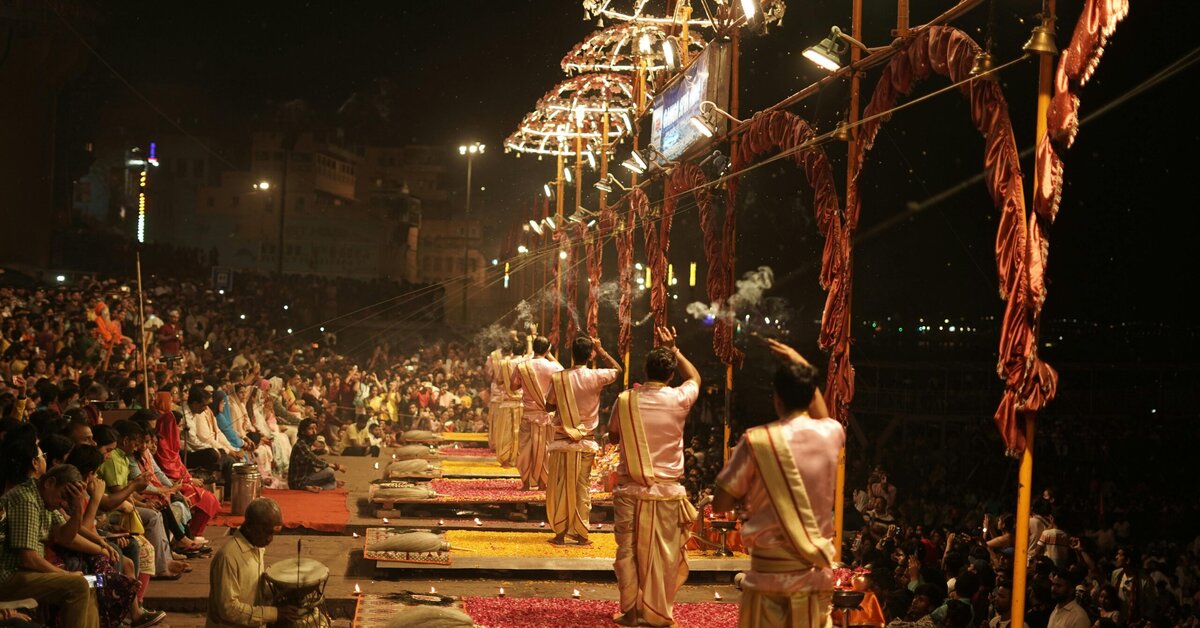
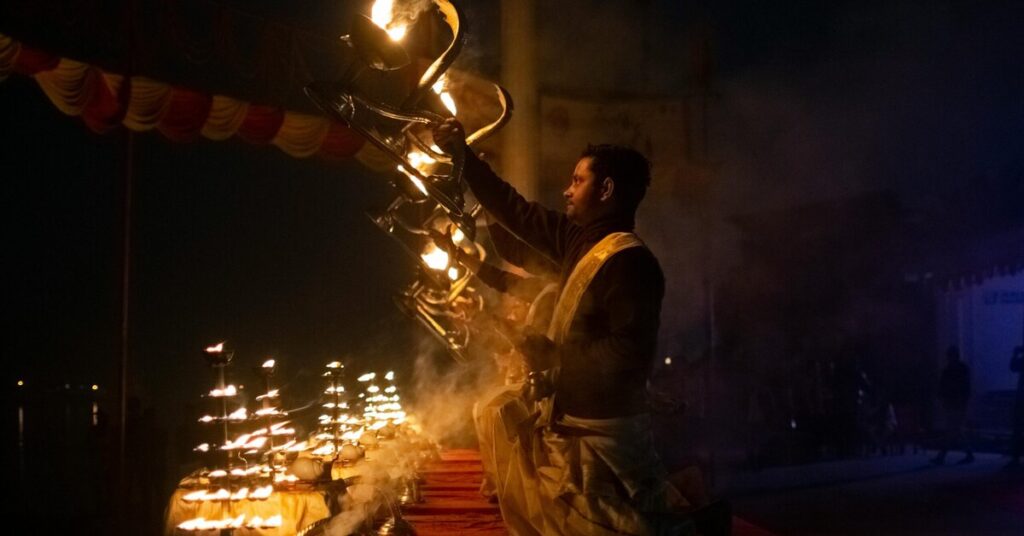
Your itinerary should include these highlights: an early morning boat ride on the Ganges to witness sunrise and bathing rituals, the mesmerizing evening Ganga Aarti at Dashashwamedh Ghat, Kashi Vishwanath Temple (one of twelve Jyotirlingas), Sarnath (where Buddha gave his first sermon), and walking tours through the narrow galis (lanes) revealing Varanasi’s authentic character. The Banaras Hindu University campus and its Bharat Kala Bhavan museum also merit visits for culturally curious groups.
Balancing Spiritual Sites and Leisure Activities
While temples and ghats form Varanasi’s core appeal, balance spiritual experiences with lighter activities. Include a Banarasi silk weaving demonstration, street food tours sampling local delicacies like kachori sabzi and lassi, or evening classical music performances. These activities provide variety and cater to team members less interested in religious aspects.
Building in Flexibility
Resist the temptation to pack every minute. Build free time into your schedule when employees can explore independently, rest at the hotel, shop for souvenirs, or simply enjoy unstructured time with colleagues. Over-scheduling leads to exhausted, cranky travelers rather than refreshed team members.
Arranging Logistics
Smooth logistics make the difference between a memorable trip and a frustrating one.
Transportation Options
For groups traveling from nearby cities, consider overnight trains which save a day’s accommodation cost. From Delhi, the Shiv Ganga Express offers convenient timing. Flying works well for distant offices, with Varanasi’s Lal Bahadur Shastri International Airport well-connected. Within Varanasi, arrange a dedicated coach or tempo traveler for group movements—attempting to coordinate multiple taxis creates unnecessary complications.
Accommodation Selection
Choose hotels that can accommodate your entire group, preferably near the ghats but far enough for peaceful sleep. Hotels along the Assi Ghat area offer riverside views with slightly quieter environments than the central ghats. Ensure rooms are confirmed in writing, with clear understanding about check-in/check-out times, meal inclusions, and any group discounts negotiated.
Meal Planning for Groups
Varanasi’s culinary landscape is vegetarian-friendly but can challenge digestion for those unaccustomed to local food. Mix hotel meals (safe and consistent) with carefully selected restaurant experiences. Brief your group about street food—it’s delicious but encourage caution with water sources and overly adventurous eating on day one. Identify team members with dietary restrictions early and communicate these to your tour operator and hotels.
Safety and Comfort Considerations
Prioritizing safety protects both employees and the organization.
Travel Insurance and Emergency Protocols
Arrange group travel insurance covering medical emergencies, trip cancellations, and lost belongings. Compile an emergency contact list including local hospitals, your tour operator’s 24-hour number, company HR contacts, and colleagues’ emergency contacts. Designate a point person for handling any incidents.
Health Precautions
Brief your team about basic precautions: drinking only bottled water, using hand sanitizer before eating, and being cautious with street food initially. Carry a basic first-aid kit with common medications for headaches, stomach upsets, and motion sickness. Varanasi’s narrow lanes and ghats require reasonable fitness—communicate this if team members have mobility concerns.
Communication and Documentation
Keep everyone informed before, during, and after the trip. Share detailed itineraries, packing lists, and what-to-expect guides before departure. Create a WhatsApp group for real-time updates during travel. After returning, gather feedback through a brief survey—these insights improve future office tours and show employees their opinions matter.
Conclusion
Planning an office holiday tour to Varanasi requires attention to detail, but the effort delivers immense rewards. When colleagues share sunrise boat rides on the Ganges, witness spiritual ceremonies together, and explore ancient lanes as a team, something special happens. Bonds strengthen, perspectives broaden, and everyone returns with stories that enrich office culture for months to come. By following this systematic approach—setting clear objectives, choosing optimal timing, creating balanced itineraries, and managing logistics carefully—you’ll organize a Varanasi office tour that becomes legendary in your company’s history. So start planning, and prepare to give your team an unforgettable experience in India’s spiritual capital.
FAQs
1. How far in advance should we start planning our Varanasi office tour?
Start planning at least 2-3 months in advance for smooth execution. This timeline allows proper budgeting, tour operator selection, getting approvals, booking accommodations at reasonable rates, and coordinating employee schedules. For travel during peak seasons or festivals, extend this to 4-6 months.
2. What is a realistic budget per person for a 2-3 day Varanasi office tour?
Expect ₹6,000-₹15,000 per person depending on choices. Budget options with 3-star hotels, train travel, and basic meals fall around ₹6,000-₹8,000. Mid-range packages with better hotels and flights reach ₹10,000-₹12,000. Premium experiences with luxury accommodation and extensive activities can exceed ₹15,000 per person.
3. Is Varanasi safe for female employees in office groups?
Yes, Varanasi is generally safe for groups that stay together and follow basic precautions. The city welcomes numerous tourist groups including many women travelers. Sticking together, avoiding isolated areas after dark, and using reputable transportation makes the experience safe and enjoyable for everyone.
4. Can we customize the spiritual aspects for diverse teams?
Absolutely! Professional tour operators understand corporate groups include people from various backgrounds. Spiritual sites can be presented from historical and cultural perspectives rather than religious ones. Balance temple visits with non-religious attractions like Sarnath’s Buddhist history, silk weaving demonstrations, and cultural performances.
5. What should be on our essential packing list for a Varanasi office tour?
Comfortable walking shoes (you’ll walk a lot on ghats and lanes), modest clothing respecting religious sites, sunscreen, sunglasses, a hat, hand sanitizer, personal medications, a reusable water bottle, camera or smartphone for photos, power bank, and a small backpack for day trips. In winter months (November-February), pack light woolens for early morning boat rides.




Comments are closed.